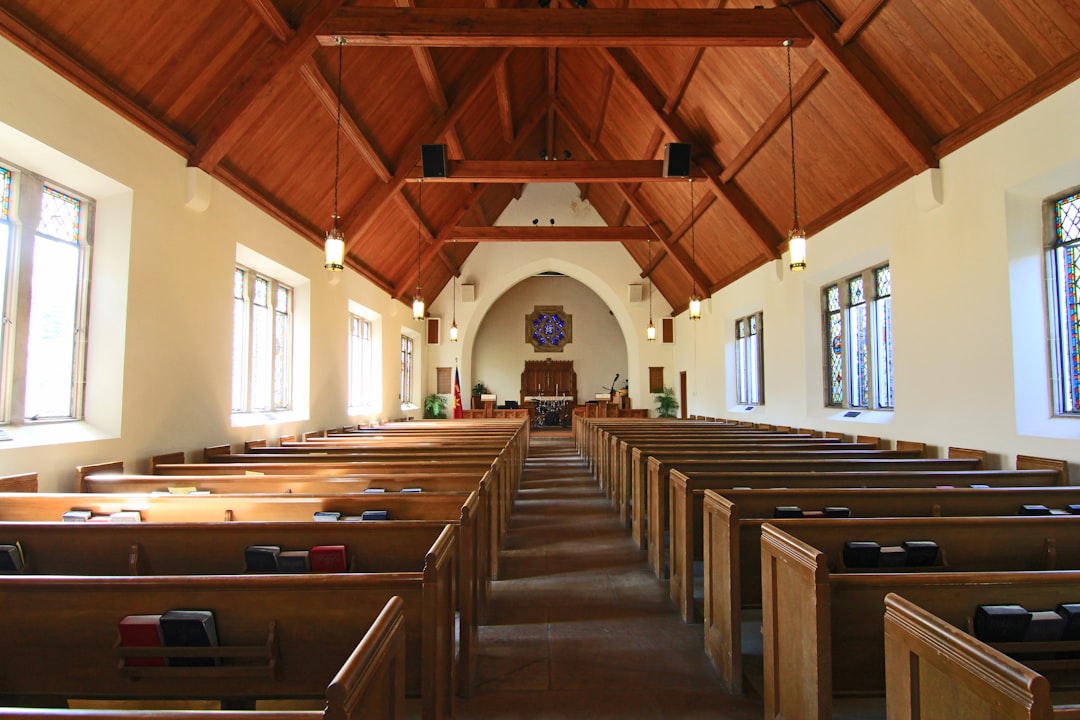
Colorado's legal landscape offers robust protections for clergy abuse survivors through extended statutes of limitations and clear reporting guidelines. Clergy abuse lawyers Colorado are essential navigators of these complexities, providing legal counsel, support during proceedings, and guidance on civil damages, criminal reports, and compensation claims. Specialized attorneys facilitate healing by addressing psychological impacts, managing media attention, and staying updated on legislative changes. Non-profit legal aid organizations offer pro bono services, empowering survivors to access justice without financial barriers. Ultimately, clergy abuse lawyers Colorado play a pivotal role in advocating for victims, ensuring accountability and contributing to systemic change within religious institutions.
In Colorado, the issue of clergy abuse has been a growing concern, affecting countless individuals across various religious communities. Survivors of such abuse often face complex legal challenges when seeking justice and healing. This is where specialized legal aid becomes indispensable. Colorado clergy abuse lawyers are equipped to navigate the unique complexities of these cases, providing crucial support to victims who have suffered at the hands of spiritual leaders. This article delves into the significant role these attorneys play in empowering survivors, offering guidance on navigating legal systems, and ensuring they receive the justice and closure they deserve.
Understanding Colorado's Clergy Abuse Laws

Colorado’s laws regarding clergy abuse offer crucial protection for survivors seeking justice. Understanding these legal frameworks is essential for individuals who have experienced trauma within religious institutions. The state has implemented specific statutes to address historical and ongoing cases of abuse, ensuring accountability and providing a avenue for healing.
Key aspects of Colorado’s clergy abuse laws include statutes of limitations that extend beyond the typical timeframes, acknowledging the often-delayed nature of revelations and recovery. This allows survivors to come forward years after the initial incident without facing legal barriers based on expiration of regular deadlines. Additionally, the state has established clear guidelines for reporting suspected abuse, mandating certain individuals—including clergy members and organizational leaders—to disclose known or suspected instances of child abuse or adult vulnerable adult abuse.
Practical steps for survivors involve consulting with experienced clergy abuse lawyers Colorado to navigate these legal protections effectively. Legal aid can help interpret complex statutes, guide the process of filing a report or civil suit, and ensure proper documentation is in place. With the support of specialized attorneys, survivors can take proactive measures to seek redress, whether through settlement negotiations, litigation, or other legal remedies available under Colorado law.
Identifying Survivors' Rights and Resources

In Colorado, clergy abuse survivors face unique challenges when seeking justice and healing. Identifying one’s rights and resources is a crucial step in navigating this complex landscape. Survivors may be unaware of the legal protections afforded to them or feel intimidated by the legal system. Herein lies the critical role of clergy abuse lawyers Colorado, who specialize in assisting victims in understanding their options and pursuing their cases effectively.
Survivors’ rights encompass several key areas, including the right to seek civil damages for emotional distress, physical harm, or financial losses incurred due to abuse. Colorado laws protect against sexual harassment and assault within religious organizations, enabling survivors to hold perpetrators accountable. Additionally, victims can access support services such as counseling, legal aid clinics, and advocacy groups dedicated to assisting clergy abuse survivors. These resources provide a safe space for sharing experiences, offering guidance, and facilitating the transition towards recovery.
Practical steps for survivors include documenting interactions with clergy members or organizational leaders who may have contributed to the abuse. Keeping records of dates, locations, witnesses, and any relevant communications can significantly strengthen potential legal claims. Engaging with a network of support, including trusted friends, family, or professional counselors, can also foster resilience during the process. It is essential to consult with clergy abuse lawyers Colorado to understand the scope of applicable laws and the feasibility of pursuing legal action, ensuring survivors receive accurate information tailored to their unique situations.
Navigating Legal Options with Clergy Abuse Lawyers Colorado

Navigating legal options after experiencing clergy abuse can be a challenging and complex process. In Colorado, survivors of such traumatic experiences have unique challenges due to state laws and the sensitive nature of these cases. This is where specialized legal aid from clergy abuse lawyers Colorado becomes indispensable. These attorneys are equipped with in-depth knowledge of the state’s legal framework pertaining to clergy misconduct and their expertise can significantly impact the outcome of a case.
Clergy abuse lawyers Colorado advocate for survivors’ rights, helping them understand their legal standing and options available under the law. They guide clients through intricate processes such as filing civil lawsuits, reporting criminal offenses, or seeking compensation from responsible entities. For instance, in recent years, several communities in Colorado have witnessed settlements involving prominent religious institutions where clergy abuse lawyers played pivotal roles in ensuring justice for victims. These cases not only provided financial redress but also served as powerful statements against systemic abuse.
A crucial aspect of their service is offering emotional support and reassurance during the legal journey. Survivors often face immense psychological distress, and these lawyers recognize this, providing compassionate guidance. They help clients navigate the potential complexities of testifying in court, dealing with insurance companies, or managing the media attention that may accompany such high-profile cases. Moreover, clergy abuse lawyers Colorado stay updated on legislative changes, ensuring their strategies align with current laws, which can significantly affect the strength of a case. This proactive approach ensures survivors receive the best possible representation and justice.
The Role of Legal Aid in Supporting Survivors

The role of legal aid in supporting survivors of clergy abuse is a critical aspect often overlooked within the broader conversation surrounding this sensitive issue. In Colorado, where clergy abuse cases have garnered significant attention, access to competent and compassionate legal representation can be a game-changer for survivors seeking justice and healing. Legal aid organizations play a pivotal role in ensuring that victims have a voice and that their rights are protected. These non-profit entities provide free or low-cost legal services, offering specialized support tailored to the unique challenges faced by individuals who have experienced abuse within religious institutions.
Survivors of clergy abuse often face complex barriers when pursuing legal action, including financial constraints, emotional trauma, and a fear of retraumatization. This is where Colorado clergy abuse lawyers step in as advocates, offering their expertise pro bono or at significantly reduced rates. These attorneys are trained to navigate the intricate legal landscape surrounding such cases, which may involve church policies, confidentiality agreements, and complex jurisdictional issues. By providing free legal aid, these professionals enable survivors to access justice without the added financial burden, allowing them to focus on healing and rebuilding their lives. For instance, a study by the Colorado Legal Services (CLS) revealed that 78% of low-income clients who received legal aid reported improved outcomes in their cases compared to those who lacked representation.
Moreover, legal aid organizations in Colorado offer more than just legal counsel; they provide an avenue for survivors to share their stories and bring awareness to the pervasive issue of clergy abuse. Through strategic litigation, public education campaigns, and policy advocacy, these groups contribute to systemic changes that hold accountable those who perpetrate such crimes. By fostering a culture of transparency and accountability within religious institutions, Colorado clergy abuse lawyers and legal aid organizations are instrumental in preventing future abuses and ensuring that survivors receive the support they deserve.
Strategies for Healing and Justice after Abuse

Survivors of clergy abuse often face unique challenges on their path to healing and justice. In Colorado, where the legal system intersects with deeply personal trauma, seeking recourse can be complex. The support of expert clergy abuse lawyers Colorado is invaluable in navigating these complexities. These attorneys are well-versed in the unique dynamics of such cases, understanding the power imbalances and psychological impacts involved.
One effective strategy for healing is civil litigation, which allows survivors to seek compensation and hold perpetrators accountable. Clergy abuse lawyers Colorado can guide clients through this process, ensuring their rights are protected. This may involve documenting and presenting evidence of abuse, including testimony from other survivors or experts in trauma psychology. The goal is not only monetary restitution but also a public acknowledgment of the harm inflicted, which can be powerful steps towards justice and healing.
Additionally, therapeutic interventions like individual counseling, support groups, and community-based healing programs are crucial components of recovery. Many clergy abuse lawyers Colorado collaborate with mental health professionals to offer comprehensive care for survivors. By addressing the psychological scars left by abuse, these strategies empower individuals to reclaim their lives and find a sense of justice that extends beyond legal boundaries.