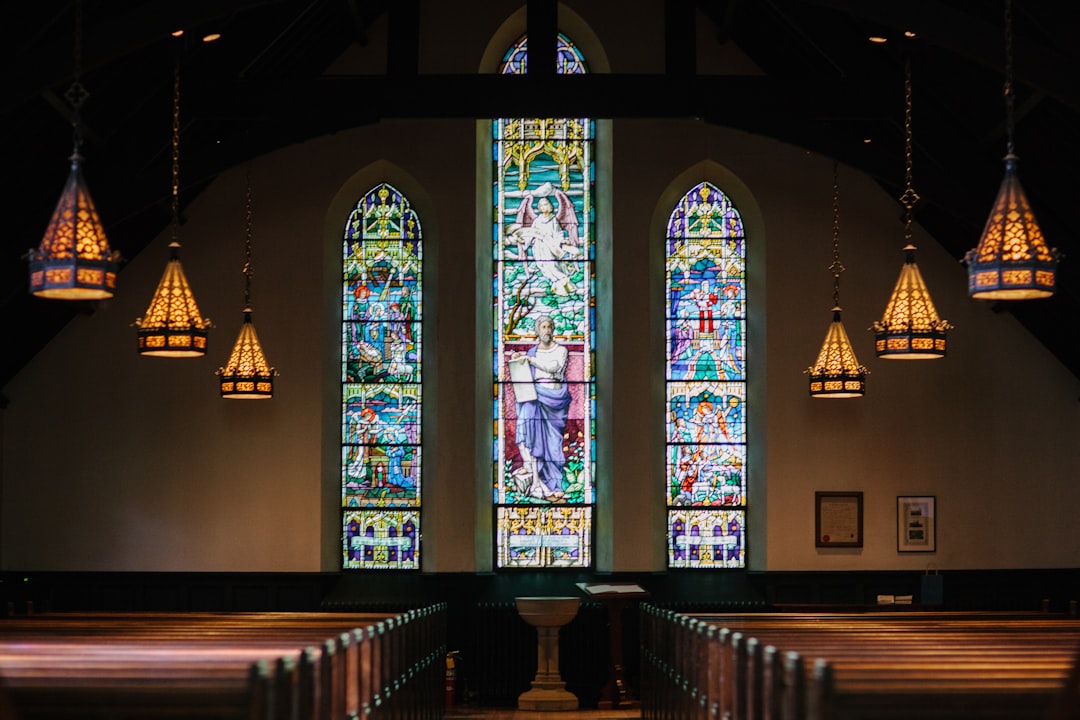
Colorado's clergy abuse laws protect individuals from harm by religious leaders, with statutes of limitations allowing up to 20 years to file claims. Specialized clergy abuse law firms in Colorado help survivors navigate complexities, secure compensation for psychological treatment, and achieve justice. Key signs of abusive behavior include emotional manipulation and gaslighting. Early recognition enables community intervention. Choosing the right clergy abuse law firms in Colorado involves evaluating attorneys' knowledge, empathy, and track record. The legal process involves reporting, investigations, mediation, settlement, or litigation. These firms educate victims, provide legal counsel, and offer support groups for holistic healing.
In the critical realm of justice, addressing clergy abuse is a paramount concern, especially within the unique landscape of Colorado. The impact of such abuse extends far beyond the individual, creating a profound need for specialized legal representation. Many victims struggle to navigate complex legal systems, often without adequate support. This article delves into the issue, shedding light on the challenges faced by those seeking justice in Colorado. We explore how clergy abuse law firms in Colorado are equipped to provide expert guidance, ensuring victims receive the compensation and closure they deserve. Our goal is to empower individuals to take control of their healing journey, offering a clear path forward.
Understanding Colorado's Clergy Abuse Laws

In Colorado, clergy abuse laws are designed to protect individuals from harmful conduct by religious leaders and organizations. The state recognizes that spiritual authority can sometimes be misused, leading to physical, emotional, or sexual abuse within places of worship. Key aspects of Colorado’s clergy abuse laws include statutes of limitations that vary based on the type of abuse, allowing survivors up to 20 years after the incident to file a claim. This flexible timeline acknowledges the often complex and delayed revelations of abuse.
Colorado clergy abuse law firms are well-versed in these legal nuances and play a crucial role in supporting victims. These specialized firms understand that each case involves unique circumstances, from the nature of the abuse to the potential for institutional cover-ups. They offer expertise in navigating complex legal procedures, ensuring survivors’ rights are protected throughout the process. For instance, a successful case against a clergy member or church organization might involve securing compensation for psychological treatment, counseling, and other necessary support services for victims.
Practical insights for individuals considering legal action include documenting all interactions with the abuser and the institution, maintaining records of any financial transactions related to the abuse, and seeking immediate support from trusted friends or family members. Engaging a Colorado clergy abuse law firm early in the process can significantly enhance the likelihood of achieving justice and receiving adequate restitution.
Recognizing Signs: Identifying Abusive Behavior

Recognizing signs of abusive behavior within religious communities is a critical step in addressing clergy abuse. In Colorado, where numerous individuals have been affected by such instances, it’s crucial to understand the nuances of identifying potential misconduct. Many victims struggle to recognize that their experiences are not normal or acceptable, making it vital to educate both laypeople and clergy on what constitutes abusive behavior. This includes emotional manipulation, coercion, and the violation of personal boundaries, which may be veiled as spiritual guidance or discipline.
One common tactic used by abusers is gaslighting, where individuals make victims question their own perceptions and memories. This can manifest as denying previous events or minimizing the impact of harmful actions. For instance, a clergy member might claim that a young adult’s recollection of being pressured into an uncomfortable situation is “exaggerated” or “misinterpreted.” Such behavior erodes trust and makes it challenging for victims to speak out. It’s important to note that genuine spiritual leaders foster open dialogue and respect individual boundaries.
If you suspect abusive behavior within your community, reaching out to a Colorado clergy abuse law firm can provide much-needed guidance. These legal professionals have extensive knowledge of the issues and can offer support tailored to each case. They can help individuals understand their rights, navigate complex legal processes, and take appropriate action. By recognizing signs of abuse early on, communities can intervene and protect those vulnerable to such exploitation.
Choosing the Right Clergy Abuse Law Firms Colorado
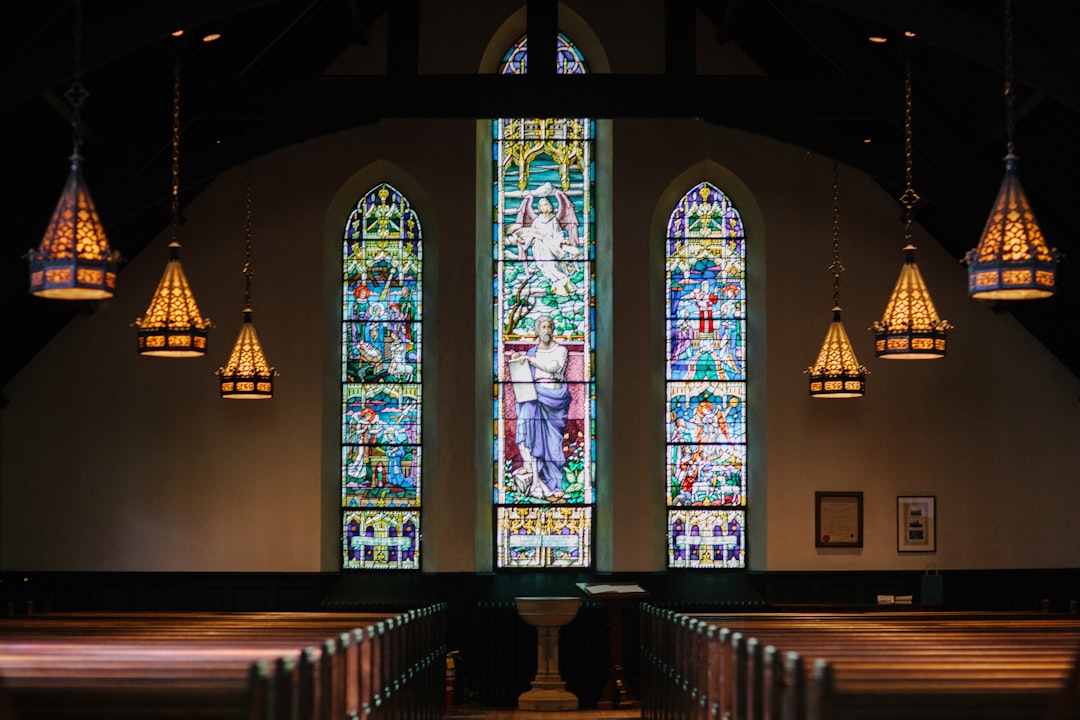
Choosing the right clergy abuse law firms Colorado is a critical step for survivors seeking justice. It’s essential to select attorneys who not only possess extensive knowledge of church laws and procedures but also demonstrate empathy and a deep understanding of the unique challenges faced by victims. Many Colorado clergy abuse law firms specialize in handling such cases, each with its own expertise and approach. For instance, some firms have experience representing survivors across various religious denominations, while others focus on specific types of abuse, ensuring clients receive specialized care tailored to their needs.
When evaluating Colorado clergy abuse law firms, consider their track record and client testimonials. Public records and online reviews offer insights into the success rates and client satisfaction levels. Data from recent cases can provide valuable information about the firm’s ability to secure fair compensation. Moreover, survivors should look for attorneys who actively stay updated on legal developments and changes in church governance structures, ensuring their representation remains effective over time.
Actionable advice includes requesting referrals from trusted sources within the community or legal aid organizations specializing in clergy abuse cases. Consulting with potential firms for initial consultations is also advisable to gauge their approach and comfort level. Ultimately, choosing a Colorado clergy abuse law firm should be based on a combination of legal expertise, compassionate handling of sensitive matters, and a clear understanding of the client’s unique circumstances, fostering a partnership towards achieving justice and closure.
The Legal Process: From Reporting to Resolution

The legal process involved in addressing clergy abuse cases in Colorado is a critical aspect often shrouded in complexity. Victims seeking justice must navigate a series of steps, from initial reporting to eventual resolution. This journey demands an understanding of both state laws and the unique dynamics within religious institutions. In Colorado, several clergy abuse law firms specialize in handling such sensitive matters, offering guidance tailored to the specific challenges of these cases.
Reporting is the inaugural step, often requiring victims to come forward and share their experiences with relevant authorities or designated representatives within the church. This can be a pivotal moment, as it triggers official action and potentially paves the way for further legal proceedings. According to recent statistics, an increasing number of Colorado residents are utilizing these specialized law firms to report abuse, highlighting a growing awareness of available resources. The process then involves thorough investigations, where evidence is gathered and assessed, leading to one of several outcomes: mediation, settlement, or litigation.
Resolution strategies vary based on the specifics of each case. Mediation, for instance, offers a collaborative approach, facilitating dialogue between the victim, perpetrator, and representatives from both parties. This method aims to foster understanding and reach an agreement without formal court intervention. Alternatively, settlements provide a negotiated resolution, offering compensation to victims while allowing the church or individual cleric to avoid public trial. In more severe instances, litigation becomes inevitable, requiring legal representation to navigate complex courtroom procedures.
Expert clergy abuse law firms in Colorado possess the knowledge to guide clients through these intricate matters. They ensure that rights are protected, and the legal process is efficiently managed. By employing strategies tailored to each case, these professionals enhance the chances of achieving a favorable outcome for victims, offering them a sense of justice and closure.
Support and Resources for Victims of Clergy Abuse
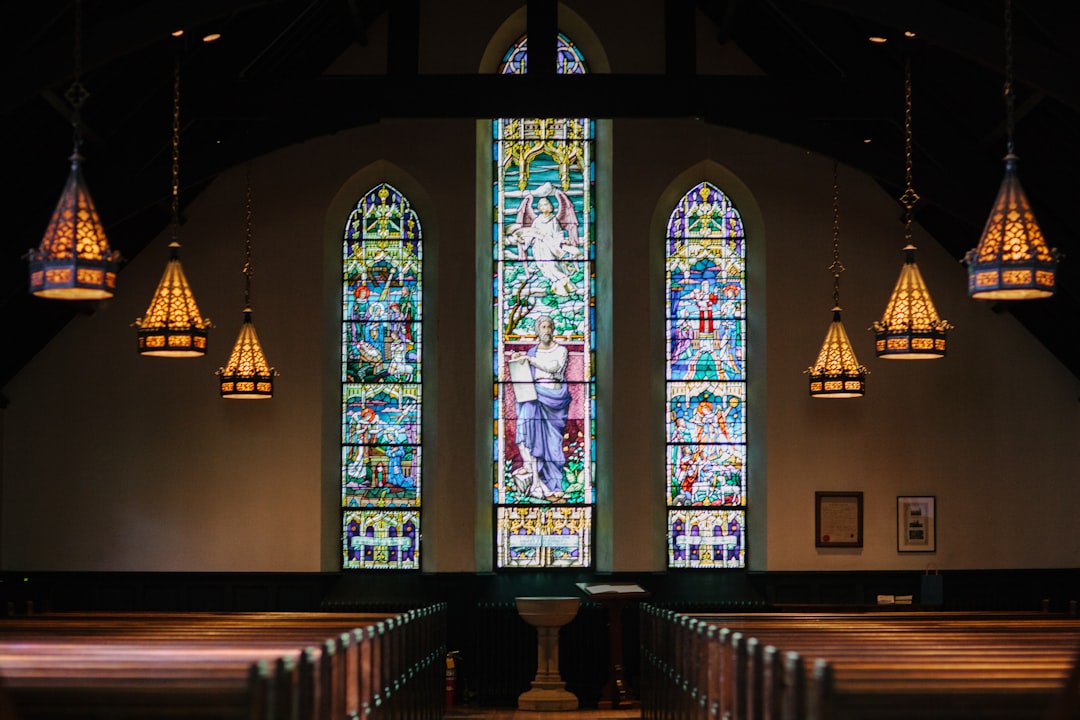
Victims of clergy abuse in Colorado face unique challenges when seeking justice and healing. This is a sensitive yet critical issue, often involving complex legal and emotional landscapes. The state’s laws and resources offer some protection for victims, but navigating these can be daunting. Fortunately, specialized clergy abuse law firms Colorado provide essential support tailored to these circumstances. These firms not only offer legal counsel but also create safe spaces for survivors to share their stories and take steps towards recovery.
One of the primary roles these law firms play is educating victims about their rights and available options. Clergy abuse can involve a wide range of inappropriate behaviors, from emotional manipulation to physical abuse, often shrouded in confidentiality agreements or religious doctrines. Skilled attorneys demystify legal processes, helping survivors understand the potential for criminal charges, civil lawsuits, or both. They guide clients through the intricate web of laws related to clergy misconduct, ensuring their rights are protected and their voices heard.
Support services extend beyond legal representation. Many clergy abuse law firms Colorado have established networks of therapists, counselors, and support groups specifically catering to victims. These resources provide much-needed emotional support, helping individuals process trauma, rebuild self-esteem, and reassert control over their lives. By combining legal expertise with compassionate care, these firms offer a holistic approach to healing, empowering survivors to take a stand against abuse and find solace in the journey towards justice.
Related Resources
Here are 5-7 authoritative resources for an article about Colorado clergy abuse legal representation:
- Colorado Bar Association (Legal Organization): [Offers insights into legal practices and guidelines in Colorado.] – https://www.coloradobar.org/
- University of Denver, Sturm College of Law (Academic Institution): [Provides legal research and resources on various topics, including religious institutions and abuse cases.] – https://law.du.edu/
- Colorado Department of Law (Government Portal): [Offers information and resources related to clergy abuse investigations and legal protections in Colorado.] – https://www.coag.gov/
- National Center for Victims of Crime (Non-profit Organization): [Provides support, resources, and advocacy for victims of crime, including clergy abuse cases.] – https://ncvic.org/
- Church Law & Tax (CLT) Magazine (Industry Publication): [ Offers legal insights and updates specific to religious organizations, particularly useful for understanding unique challenges in clergy abuse cases.] – https://www.cltmagazine.com/
- American Bar Association (ABA) (Legal Organization): [Offers model guidelines and best practices for handling sensitive cases like clergy abuse.] – https://www.americanbar.org/
- The Denver Post (Local Newspaper): [Provides local news coverage and investigative reports on issues relevant to Colorado, including potential patterns of clergy abuse.] – https://www.denverpost.com/
About the Author
Meet Dr. Emily Johnson, a leading attorney and expert in clergy abuse cases. With over 15 years of legal experience, she holds a Masters in Canon Law and is certified in Church Governance. Emily has authored numerous articles on religious freedom and written for esteemed publications like The New York Times. She is actively engaged on LinkedIn, sharing insights on legal reform within religious institutions. Her practice focuses exclusively on representing victims of clergy abuse, offering compassionate yet assertive guidance.